

Throwing these accounts into your real estate chart of accounts lets you cut through the clutter, get a grip on your finances, and make tax time a little less painful. Keeping your real estate investments in line with your financial goals might sound like a tall order. But building a top-notch chart of accounts can make all the difference.
Tenant Management

Use subcategories to track specific expense types within each main category. Managing your vacation rental’s finances doesn’t have to be overwhelming. At Thuro Accounting, we specialize in helping short-term rental owners set up and optimize their Chart of Accounts, ensuring accuracy, tax efficiency, and peace of mind. A well-structured Chart of Accounts is the foundation of a successful vacation rental business. By implementing these best practices, you’ll gain better financial clarity and position your rental business for long-term growth and profitability. Part of your responsibility as a property manager is to track payments made to independent contractors and service providers and issue them an IRS Form 1099-MISC by the end of January.
Rental property accounting using Quickbooks Online
Your equity accounts reflect the invested capital, owner’s draws, and retained earnings for the business. Equity categories should reveal your ownership position and track how profits are reinvested or distributed. Explore the role of FASB in financial reporting, including its mission, standards, and collaboration for consistency in accounting practices. Accounting Errors Basic services include utilities, maintenance, trash removal, and cleaning common areas.

Managing Reserves
- Tax preparation is more than just filing forms—it’s about ensuring your financial records are accurate and complete.
- Let’s assume an investor purchases a single-family rental home for $125,000, which includes a land value of $15,000.
- Expenses refer to the costs incurred by a property management company in the course of operating and maintaining properties.
- Doing it this way not only keeps your chart of accounts from becoming a jumbled mess but also helps make identifying accounts easier.
- To make things easier, you can work with an accountant to handle the financial aspects of your business.
You can also use yield management techniques, increasing or decreasing rent based on demand. Properties https://www.bookstime.com/ in high-demand areas or during peak seasons can command higher rents. Properly managing assets and liabilities will keep the properties financially healthy over the long-term. Tracking accounts receivable (money owed to the property) and accounts payable (money owed by the property) is vital for cash flow management. Review and refine your chart of accounts periodically to ensure that it remains relevant and accurate.

It organizes these transactions by account, allowing your team to see the cumulative effect of all transactions on each account. Several states require security deposits to be held in separate escrow accounts, so funds are able to be accessed when residents move out. If your state allows it, consider placing your security deposits in a trust. Running a successful short-term rental business—whether via Airbnb, VRBO, direct bookings, or a combination—requires more accounting for landlords than just stellar guest reviews. Behind every profitable rental operation is a well-structured bookkeeping system.
- They can be the money spent on resources and activities necessary to keep the business running smoothly.
- Consider creating location-specific accounts if you manage multiple properties.
- Start with a firm foundation for your books by getting the structural elements of your business in place first.
- Popular options include legacy solutions like AppFolio and Buildium, as well as modern property management solutions like Revela.
- Accrual accounting, however, tracks income and expenses when they’re incurred, providing a clearer financial picture for managing multiple properties.
- If you follow this process, it will allow you to collapse certain categories when looking at the P&L.
FreshBooks Free General Ledger Template
Think of debts to suppliers, loans from banks, or unpaid expenses – they are your liabilities. You can have multiple asset accounts, each representing a different type of asset. These resources have economic value and are expected to provide future benefits.
- A chart of accounts is a comprehensive list of all the accounts used by a business to record its financial transactions.
- By closely monitoring income and expenses, businesses can ensure they have enough funds set aside for tax payments.
- Create custom graphs to monitor year-over-year performance and compare properties against each other.
- You are responsible for performing additional research to confirm you are complying with all laws applicable to your rental situation.
- Credit refers to an entry that decreases assets or increases liabilities and equity on the balance sheet.
Generally Accepted Accounting Principles (GAAP)
Use the tips, steps, and examples we talked about in this guide to make the process of setting up your own chart of accounts simple and easy. Below, we’ll take you step-by-step through crafting a chart of accounts designed for managing a property. Your chart of accounts provides a foundation for a sound business structure, so it’s worth investing the time (or professional help) in crafting one that does the job you need it to do. For example, the asset account may contain sub-accounts for building value, land value, improvements, accumulated depreciation, along with checking, savings, and trust account balances. Use separate tabs for current and historical payment records to maintain organized documentation.

Tracking Income and Expenses
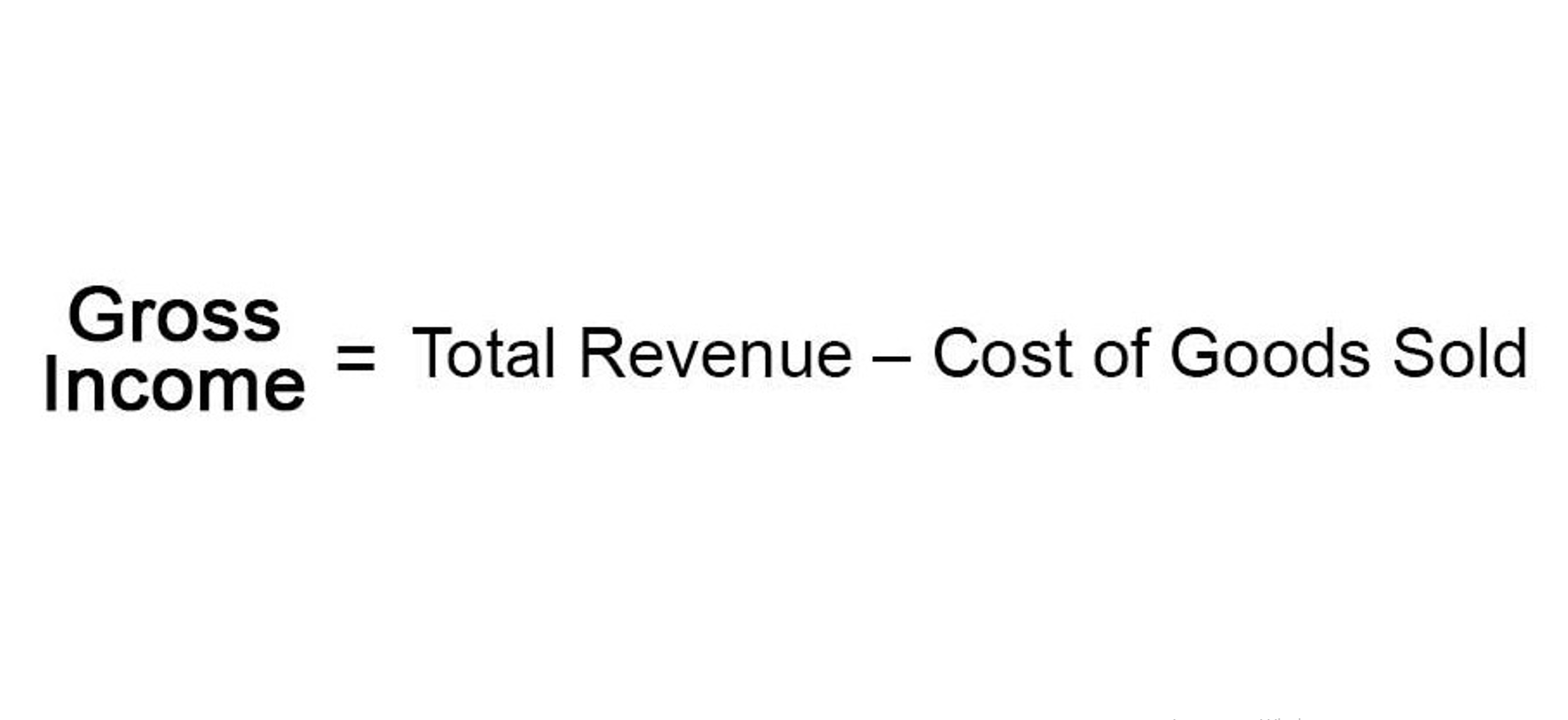
GAAP refers to the official guidelines and standards for financial accounting. It lays out approved methods for measuring, recording, and reporting accounting data. Skipping regular bank reconciliation can lead to discrepancies between your records and your actual bank balance. Regularly reviewing these reports will keep you informed about each property’s financial performance and help you plan for future expenses. Bank reconciliation is the process of comparing your bank statement with your accounting records to ensure that everything matches up. Reconciling is the process of ensuring that your records match the money you’ve actually spent.